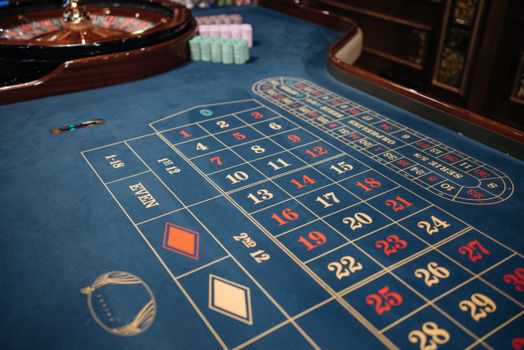
Choosing the Best Roulette Strategy: Essential Tips for Beginners and Advanced Players
Roulette has captivated casino enthusiasts for centuries, offering a unique blend of chance, excitement, and strategy. Whether you’re stepping onto the casino floor for the first time or looking to refine your tactics as an experienced player, finding the best roulette strategy is a decision that can shape your gameplay and enjoyment. With dozens of betting options, distinct table varieties, and a wealth of betting systems, navigating the world of roulette strategies can be overwhelming.
This guide demystifies how to choose the best roulette strategy, tailoring advice for both beginners and seasoned players. We’ll examine popular strategies, analyze their risk and reward profiles, compare their real-world effectiveness, and provide actionable tips to help you make informed decisions at the wheel. Whether your goal is to maximize entertainment, manage your bankroll, or chase consistent wins, you’ll find practical insights here.
Understanding Roulette Basics: Table Types and Odds
Before choosing a roulette strategy, it’s crucial to understand the fundamental differences between roulette table types and how these affect your odds. There are three main versions of roulette:
.png) - European Roulette: Features a single zero (0) and 37 slots in total.
- American Roulette: Has both a single zero (0) and a double zero (00), totaling 38 slots.
- French Roulette: Similar to European, often with "La Partage" or "En Prison" rules that reduce the house edge on even-money bets.
- European Roulette: Features a single zero (0) and 37 slots in total.
- American Roulette: Has both a single zero (0) and a double zero (00), totaling 38 slots.
- French Roulette: Similar to European, often with "La Partage" or "En Prison" rules that reduce the house edge on even-money bets.
The house edge is a key concept. It represents the mathematical advantage the casino holds over players. European roulette has a house edge of 2.7%, while American roulette’s is 5.26% due to the extra 00 slot. French roulette can lower the edge further to around 1.35% for some bets thanks to special rules.
Understanding these differences is important because the same strategy can have different outcomes depending on the table type. For instance, betting systems that rely on frequent even-money outcomes are more favorable on European or French tables.
To visualize how the odds and house edge compare, here’s a table summarizing the key differences:
| Roulette Type | Zeroes | House Edge | Best for Strategies |
|---|---|---|---|
| European | 1 (0) | 2.7% | Most betting systems |
| American | 2 (0, 00) | 5.26% | High-risk, high-reward |
| French | 1 (0) | 1.35% (on even bets) | Low-risk, long-term play |
Choosing the right table is your first strategic decision. For beginners, European or French tables offer better odds and are recommended for most strategies.
Popular Roulette Strategies Explained
Roulette strategies can be broadly categorized into betting systems (mathematical approaches to placing bets) and intuitive play (relying on patterns or personal hunches). Here are some of the most widely used strategies:
1. Martingale System The Martingale is a negative progression system. After every loss, you double your bet on even-money wagers (red/black, odd/even, high/low). The idea: a single win recovers all previous losses plus a profit equal to your original bet. While simple and widely used, it requires a large bankroll and can quickly run into table limits. 2. Reverse Martingale (Paroli) This system is the opposite of Martingale. You double your bet after wins and revert to your base bet after a loss. It seeks to capitalize on winning streaks while minimizing losses. 3. D’Alembert System A more conservative negative progression system, you increase your bet by one unit after a loss and decrease by one after a win. It’s less risky than Martingale, but still not foolproof. 4. Fibonacci Sequence Based on the famous number sequence, you increase bets following the sequence (1, 1, 2, 3, 5, 8, etc.) after losses and move back two steps after a win. It’s a slower progression, designed to recover losses gradually. 5. Flat Betting No progression; you bet the same amount every spin. This is the safest approach for bankroll management, especially for beginners. 6. Sector Betting and Visual Ballistics Advanced players sometimes use physical observation, betting on sectors where they believe the ball will land based on the dealer’s spin or wheel biases. This method is rare and not generally effective in modern, well-maintained casinos.Choosing a strategy depends on your risk tolerance, bankroll, and personal goals. No system can overcome the house edge in the long run, but some can help manage losses or extend playing time.
Comparing Roulette Strategies: Risk, Reward & Suitability
With numerous systems available, how do they stack up against each other in terms of risk, potential reward, and suitability for different player types? Here’s a comparative overview:
| Strategy | Risk Level | Potential Reward | Best For | Key Drawback |
|---|---|---|---|---|
| Martingale | High | Low to moderate (short win streaks) | Players with large bankrolls | Quickly hits table/bankroll limits |
| Reverse Martingale | Moderate | High (during streaks) | Risk-tolerant players | Streaks are rare |
| D’Alembert | Low to moderate | Steady, small wins | Conservative players | Can’t recover big losing streaks |
| Fibonacci | Moderate | Gradual loss recovery | Math-oriented players | Still susceptible to long losing runs |
| Flat Betting | Low | Very limited | Beginners, low-risk | Cannot overcome house edge |
No system guarantees profits, but understanding their mechanics and risks helps you pick the approach that best fits your style.
How to Choose the Right Roulette Strategy for You
Selecting the best roulette strategy isn’t just about the system itself—it’s about aligning your approach with your goals, risk tolerance, and available resources. Here’s a practical checklist to guide your decision:
1. Define Your Goals Are you playing for entertainment, to stretch your bankroll, or to chase bigger wins? If you want fun and longevity, flat betting or the D’Alembert system is ideal. If you’re willing to take risks for the chance of a quick profit, Martingale or Reverse Martingale might suit you. 2. Assess Your Bankroll Many progression systems require a substantial bankroll to weather losing streaks. For example, after just six losses using Martingale with a €5 starting bet, your next required wager would be €320, with a total risk of €635 to win €5. Know your limits and never bet more than you can afford to lose. 3. Understand Table Limits Casinos impose minimum and maximum bets. Progression strategies can quickly run into these limits, especially on bad runs. Always check the table’s betting range before starting. 4. Choose the Right Table European and French tables offer better odds and are more forgiving for most strategies. Whenever possible, avoid American roulette with its higher house edge. 5. Practice Before You Play Many online casinos offer free roulette games. Use these to test strategies without risking real money. Track your results and refine your approach before wagering. 6. Be Realistic Remember, roulette is a game of chance. No system can change the fact that outcomes are random, and the house always has an edge in the long term. Strategies help manage play, not guarantee wins.Advanced Tips: Combining and Adjusting Strategies
Experienced players often modify or combine systems to suit different game scenarios. Some advanced tactics include:
- Mixing Progression and Flat Betting: Start with flat bets to gauge the table, then switch to a progression system if you feel comfortable. - Using Loss Limits and Win Targets: Set a maximum loss (e.g., 10% of your bankroll) and a win target. Stop playing when you reach either, to avoid giving back winnings or chasing losses. - Table Observation: Watch for dealer signatures or wheel biases, though these are rare in modern casinos. Online RNG games are immune to such patterns. - Adapting on the Fly: If a strategy isn’t working, don’t be afraid to switch. Flexibility is an underrated skill in roulette.For the mathematically inclined, tracking outcomes and analyzing bet distributions can also provide insights, though remember that each spin is independent.
Responsible Gaming and Bankroll Management in Roulette
Regardless of your chosen strategy, responsible gambling is the cornerstone of a positive roulette experience. Here are some essential tips:
- Set a budget before you play, and stick to it. - Never chase losses—roulette’s randomness means streaks can and do happen. - Take regular breaks to maintain perspective and avoid fatigue-driven decisions. - Use casino tools like deposit limits or loss limits if playing online. - Remember that roulette is entertainment, not a source of guaranteed income.According to the UK Gambling Commission, over 30% of regular roulette players have experienced chasing losses at least once, which underscores the importance of bankroll discipline.
Final Thoughts: Picking Your Perfect Roulette Strategy
Choosing the best roulette strategy is a personal journey that balances excitement, risk, and the hope of winning. While no system can beat the house in the long run, understanding how different strategies work—and how they align with your playing style—can enhance your enjoyment and help you make smarter decisions at the wheel.
Start with a clear understanding of the table type and odds, experiment with different systems in free-play environments, and always prioritize responsible bankroll management. Whether you’re a cautious newcomer or a bold high-roller, the most important element is to enjoy the game while playing within your means.