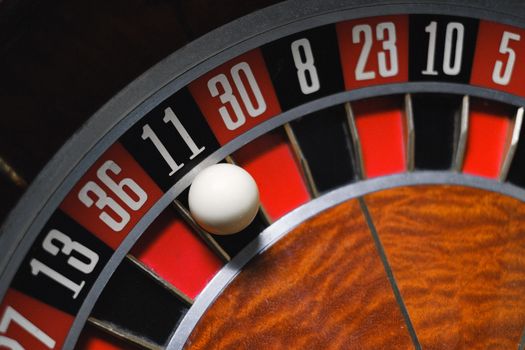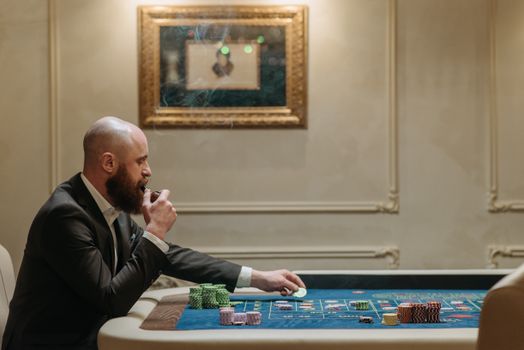
Gambling is an activity as old as civilization itself, but in today’s digital era, the psychological forces driving betting behavior are under more scrutiny than ever. Behind every spin of the roulette wheel or click on a slot machine lies a complex interplay of emotions, cognitive biases, and decision-making processes. Understanding how our feelings sway our gambling choices is crucial—not just for players hoping to make informed decisions, but for anyone interested in the fascinating realm where psychology and chance collide.
In this deep dive, we’ll explore how emotions guide, shape, and sometimes sabotage gambling decisions. We’ll look at the science of risk and reward, how winning and losing streaks alter perception, the role of cognitive biases, and the ways casinos design experiences to trigger emotional responses. Let’s unravel the invisible forces at play every time someone places a bet.
The Emotional Rollercoaster: Why Gambling Triggers Intense Feelings
Gambling is uniquely positioned to provoke strong emotional reactions. Anticipation, excitement, anxiety, and even regret can surge in a matter of seconds. These emotions aren’t just fleeting feelings—they actively influence the decisions players make.
.png)
Research from the American Gaming Association estimates that over 85% of adults in the United States have gambled at least once. What keeps so many returning? A key driver is the brain’s reward system. When you place a bet, your brain releases dopamine, a neurotransmitter associated with pleasure and reward. The anticipation of a possible win—regardless of the actual outcome—can be enough to trigger a “rush” similar to what people experience from eating chocolate or falling in love.
But it’s not just about the highs. Losing can trigger frustration, disappointment, or even anger, which can lead to impulsive decisions—like chasing losses or increasing bet sizes to “win back” money. This dynamic, known as emotional decision-making, is central to the gambling experience.
The Hot Hand and Gambler’s Fallacy: Cognitive Biases in Action
Gambling is fertile ground for cognitive biases—systematic errors in thinking that affect decisions. Two of the most prevalent are the “hot hand” fallacy and the “gambler’s fallacy.”
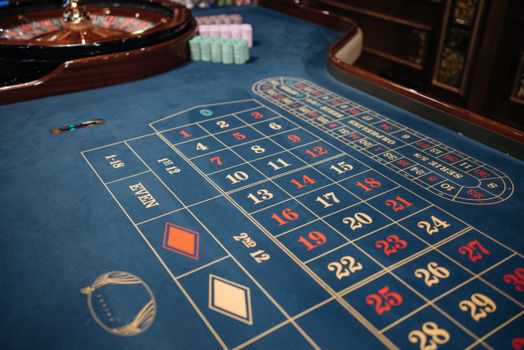
- The hot hand fallacy is the belief that a person who has experienced success with a random event (like winning several bets in a row) is more likely to continue winning. In reality, most gambling outcomes are independent; the roulette wheel has no memory, and the odds remain the same on each spin. - The gambler’s fallacy is the opposite: the belief that after a run of bad luck, a win is “due.” For example, if a roulette wheel lands on black five times in a row, some players think red is more likely next, even though the odds haven’t changed.Both of these biases are deeply emotional. The hot hand fallacy feeds on the exhilaration of winning, making players overconfident. The gambler’s fallacy is driven by frustration and hope, pushing players to keep betting in pursuit of an elusive win.
Risk Appetite: How Emotions Shift Player Decisions
Whether someone bets big or plays it safe often depends on their current emotional state. Studies have shown that positive emotions (like happiness or excitement) can increase a gambler’s appetite for risk, leading to higher bets and riskier choices. Conversely, negative emotions (such as fear or anxiety) can lead to more conservative betting—or, paradoxically, to reckless decisions as players try to “escape” negative feelings.
A 2022 study by the UK Gambling Commission found that 48% of regular gamblers reported betting more when feeling excited or happy, compared to 15% who bet more when feeling sad or stressed. This shows just how much mood can tip the scales in favor of risk or caution.
Let’s compare how positive and negative emotions typically influence gambling decisions:
| Emotion | Common Gambling Behaviors | Typical Outcomes |
|---|---|---|
| Excitement/Happiness | Higher bets, risk-taking, longer sessions | Potential for bigger wins or losses, increased engagement |
| Frustration/Anger | Chasing losses, impulsive bets | Greater risk of significant losses |
| Anxiety/Fear | Lower bets, early quitting, avoidance | Missed opportunities, less engagement |
| Boredom | Random, unfocused betting, lack of strategy | Unpredictable results, potential for losses |
As this table shows, gambling decisions are rarely made in an emotional vacuum. The same player might behave very differently depending on how they feel at a given moment.
Win/Loss Streaks: The Power of Momentum and Memory
One of the most powerful emotional drivers in gambling is the experience of winning or losing streaks. Even though each spin or hand is statistically independent, our brains are wired to find patterns and momentum.
When players are on a winning streak, confidence surges. This “hot hand” effect (mentioned earlier) can lead to larger bets and a feeling of invincibility. On the flip side, losing streaks often trigger desperation or “tilt”—a term borrowed from poker that describes emotionally driven, irrational play.
A 2019 study published in the journal $1 found that after a win, players were 30% more likely to increase their next bet, while after a loss, 20% chased losses by betting even more. This cyclical pattern can quickly lead to a spiral of risk-taking and, for some, problem gambling.
Casinos and online gambling platforms are well aware of these dynamics. Many games are designed to offer small, frequent wins to keep players engaged and feeling lucky, even if they’re losing overall.
Casino Design and Emotional Triggers: The Subtle Art of Influence
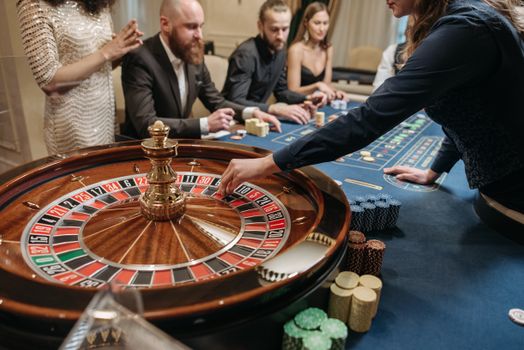
The environment in which gambling takes place is meticulously crafted to maximize emotional engagement. From the colors and sounds to the layout of gaming floors, every element is engineered to keep players in a heightened emotional state.
- Lighting and Color: Bright lights and vibrant colors stimulate excitement and energy. Red, often used in casinos, is proven to increase heart rate and adrenaline. - Sound Effects: The sound of coins clinking, bells ringing, and upbeat music all serve to create a sense of celebration and winning. - Near Misses: Slot machines frequently show “almost wins”—a psychological trick that excites the brain’s reward centers even when the player loses. - No Clocks or Windows: The absence of time cues encourages longer play sessions, as players lose track of how long they’ve been gambling.Online casinos use similar tactics: flashy graphics, engaging soundtracks, and constant notifications about “big wins” by other players create a sense of urgency and possibility.
A 2021 report from the University of Nevada found that players exposed to stimulating casino environments gambled 27% longer than those in neutral settings, highlighting the power of emotional triggers in shaping gambling behavior.
Emotional Self-Awareness: The Key to Smarter Gambling Decisions
Given the powerful role of emotions in gambling, developing self-awareness is one of the most effective ways to make healthier decisions. Recognizing when excitement is tipping into overconfidence, or when frustration is leading to reckless bets, can help players pause and reassess.
Some practical strategies include: - Setting strict time and money limits before starting to play - Taking regular breaks to “reset” emotionally - Keeping a gambling diary to track mood and behavior patterns - Reaching out for support if gambling starts to feel out of controlThe UK’s National Health Service recommends regular self-check-ins during gambling sessions, asking questions such as, “How am I feeling right now?” and “Am I chasing losses?” This simple practice has been shown to reduce risky gambling behaviors by up to 18% in some clinical studies.
Why Understanding Player Psychology Matters
Gambling is never just about luck or odds; it’s about the human mind in action. Emotions—both positive and negative—are at the heart of every decision, influencing how much we bet, when we quit, and whether we win or lose. By understanding the psychology behind these choices, players can enjoy gambling as a form of entertainment while minimizing the risks of emotional decision-making.
For those who struggle with problem gambling, recognizing emotional triggers can be the first step toward regaining control. For casual players, a little self-awareness goes a long way toward smarter, more enjoyable play.